- Coffee
- 9 g
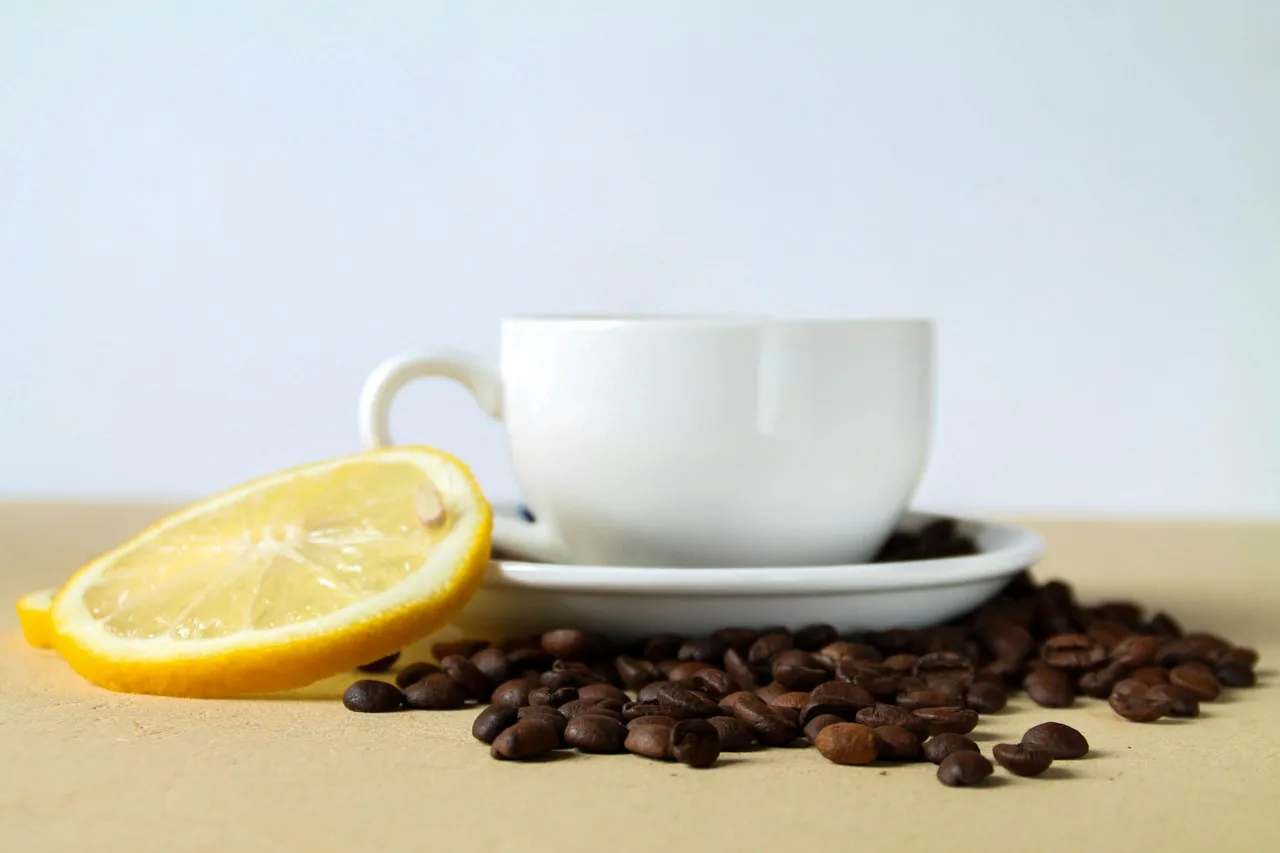
An espresso with a strip of lemon peel rubbed around the rim of the cup. Despite the name, it is ordered far more often outside Italy than in Rome.
By Equipo Cocinoa
What you need
Tap each piece to see its catalogue entry.
- EssentialEspresso coffee makerWater to 9 bars of pressure through fine and pressed coffee. Here are the machine types, from the lever to the double boiler.€150–3500approx.View on Amazon
- RecommendedEspresso grinderElectric grinder with very fine adjustment, designed for espresso. It matters more than the machine itself.€150–700approx.View on Amazon
- Optional0,1 g baseA scale with precision of 0,1 g and timer. Weighing coffee and water is the easiest way to repeat a good cup.€15–250approx.View on Amazon
As an Amazon Associate I earn from qualifying purchases.
No Espresso coffee maker? This works too
- Portable espresso€130–350Hand and compact equipment, type Picopresso or Flair, that reach the pressure of the espresso without electricity. To travel or to begin.
- Italian coffee maker (moka)€20–60The life-long stove coffee maker: the steam pushes the water through the coffee. Intense, with body and very cheap.
- AeroPress€35–55A plastic cylinder with plunger: immersion and a soft pressure. Versatile, resistant and almost unbreakable. Ideal for travel.
Method
Wash the lemon well, ideally unwaxed, and use a peeler to take off a 4–5 cm strip of peel without the white pith, which is bitter.
Warm the espresso cup with hot water and dry it.
Make a 25–30 ml espresso (see the ‘Espresso’ recipe) straight into the cup.
Rub the outer side of the peel around the rim of the cup and twist it over the coffee to release its oils.
Leave the peel on the saucer, or drop it in if you like it stronger, and serve with the sugar on the side.
Tips and warnings
Despite its name, hardly anyone in Rome orders it: it is much better known in the United States and elsewhere, and if you ask for one in a Roman bar you will most likely get a curious look. Several stories about its origin do the rounds, and none of them is proven.
- Use the peel, not the juice: a few drops of lemon split the crema and make the coffee sour.
- Some cafés serve it with a thin slice on the saucer; it looks pretty, but the aroma comes from the oils in the peel.
- Orange works too, and gives it a sweeter note.
- If you're after lemon and ice, see the ‘Café del tiempo’ recipe.
One last thing
A strip of lemon, an espresso and a name hardly anyone in Rome recognises. A ko‑fi, on the other hand, is understood everywhere.