- Coffee
- 40 g
- Water
- 500 g
- Ratio
- 1:12,5
- Grind
- Medium-fine
- Water at
- 93 °C
- Time
- 4:00
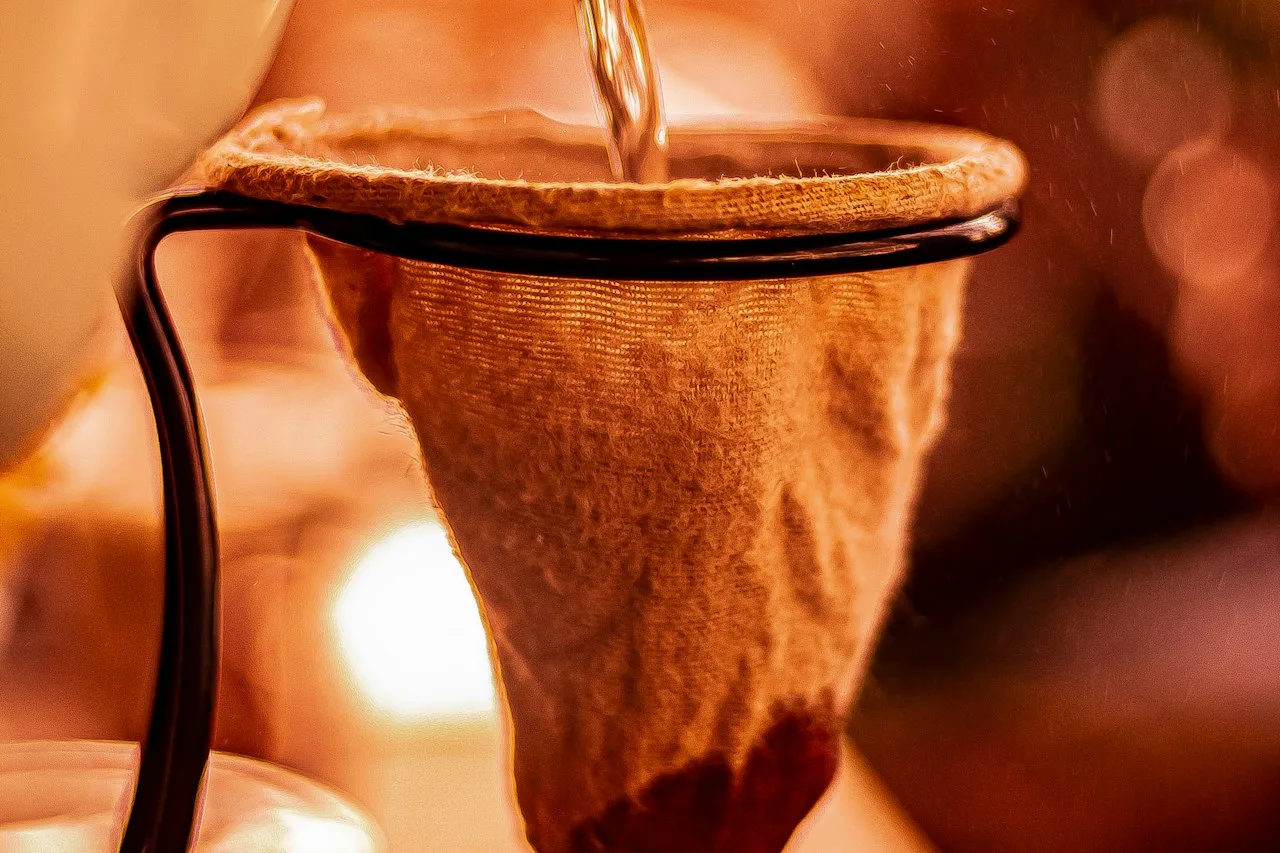
Brazil's welcome coffee: small, black and sweet, brewed through a cloth filter with the sugar already dissolved in the water, as many homes do.
By Equipo Cocinoa
What you need
Tap each piece to see its catalogue entry.
- EssentialFabric filter (sleeve)The fabric sleeve of the kitchens from before: it covers the pot coffee and leaves a clean cup, with more body than paper.€5–15approx.View on Amazon
- RecommendedCazoThe oldest and most simple method: coffee and water in a bowl, rest and decantation. It serves for the puchero coffee, the cowboy coffee and even the Turkish.€10–30approx.View on Amazon
- Optional0,1 g baseA scale with precision of 0,1 g and timer. Weighing coffee and water is the easiest way to repeat a good cup.€15–250approx.View on Amazon
- OptionalManual milling of teethConical teeth and a handle: uniform milling and adjustable for little money. The best investment to improve your coffee.€60–300approx.View on Amazon
- OptionalThermometerTo know what temperature the water, milk or grain are at. Useful if your kettle does not regulate and almost compulsory to toast.€8–30approx.View on Amazon
As an Amazon Associate I earn from qualifying purchases.
No Fabric filter (sleeve)? This works too
Method
Rinse the cloth filter with hot water, let it drain and set it in its holder over a jug or a warmed flask.
Put 500 ml of water in a saucepan with the sugar and heat over a medium heat, stirring until it dissolves.
Turn off the heat as soon as the first bubbles appear on the bottom, before it comes to a rolling boil (about 92–95 °C).
Put 40 g of coffee in the filter and pour the sweetened water slowly, in circles, in three or four goes so the coffee doesn't overflow.
3 min
Let it drain on its own, without squeezing or wringing the cloth.
1 min
Serve straight away in 50–60 ml cups. Keep any left over in the flask: reheating it on the hob makes it bitter.
Tips and warnings
In Brazil a cafezinho is a gesture of hospitality: it is offered to any visitor, at home or at the office, and is usually drunk sweet and piping hot. The ‘coador de pano’, the cloth filter, now shares the kitchen with paper filters, but many people still prefer it because it lets more body through.
- New filter: boil it for a few minutes in water with a spoonful of coffee to remove the sizing and the fabric smell, then rinse it.
- After each use: tip out the grounds, rinse it with hot water only, never soap, and let it air-dry or keep it damp in a jar of water in the fridge. Replace it when it smells sour or turns very dark.
- Some homes add the coffee to the pan too and pour everything through the cloth: if you do, turn off the heat first so it never boils.
- If you prefer it unsweetened, heat only the water and leave the sugar on the table.
- Common mistakes: boiling the coffee with the water, which makes it bitter, and wringing the cloth, which makes it cloudy.
- No cloth filter? A cone with a paper filter will do, with the coffee ground a little coarser.
One last thing
In Brazil nobody is ever refused a cafezinho. If this one made you feel at home, a ko‑fi makes us feel just as welcome.