Eating well for less
How to organise your fridge so food lasts longer
The right temperature, what goes on each shelf, what's better kept out of the fridge and a few simple habits for throwing away less food.
By Equipo Cocinoa · 2026-10-22
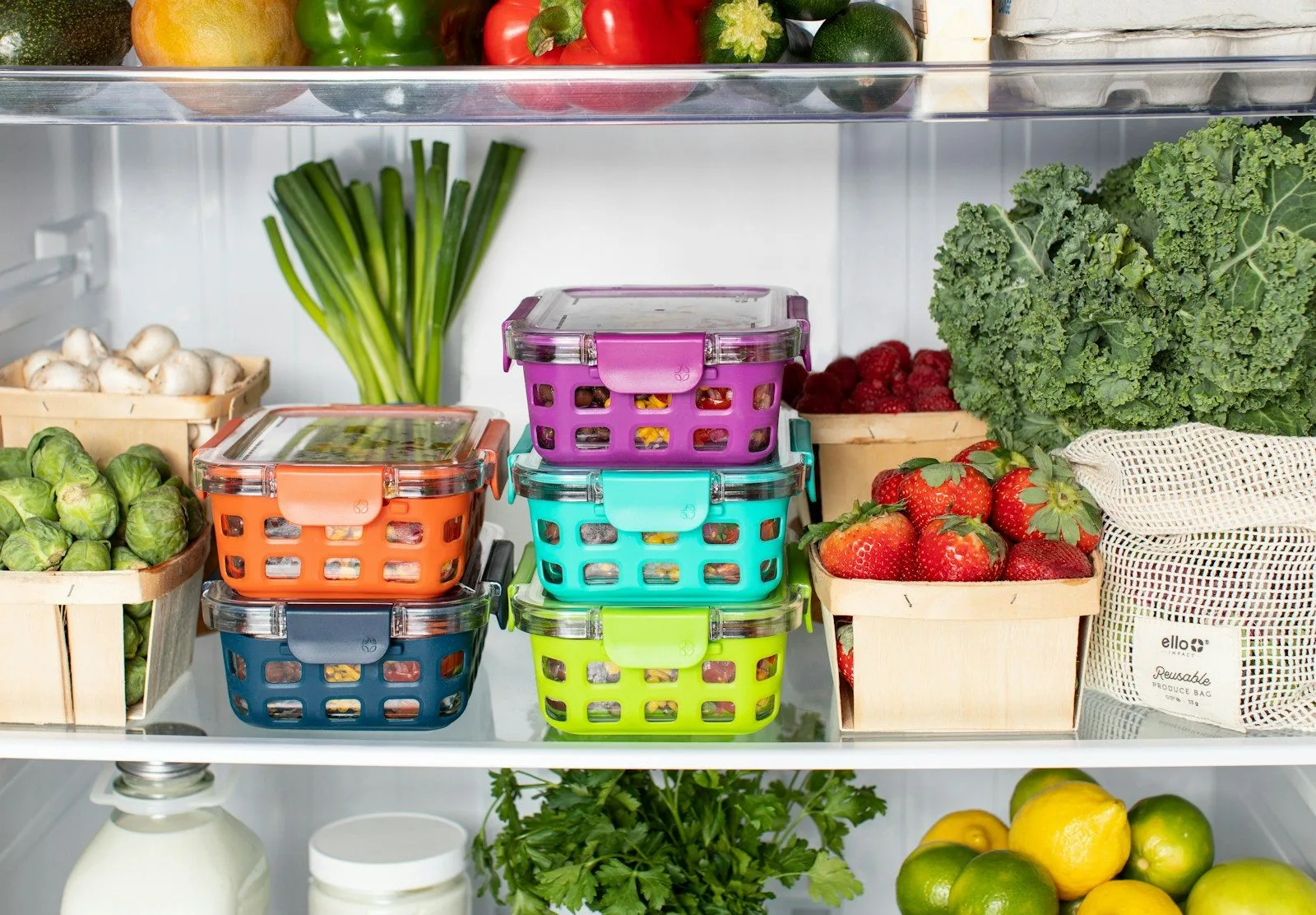
With the same fridge and the same shopping, food can last quite a bit longer if everything is in its place. A well-organised fridge is also safer and helps you see what you have before it spoils, which is where a good share of your food budget goes to waste.
The temperature: 4 °C or lower
- Fridge: between 1 and 4 °C. Above 5 °C, the bacteria that spoil food multiply much faster.
- Freezer: −18 °C or lower.
The numbered dial on many fridges doesn't show degrees, only power. To find out the real temperature, leave a fridge thermometer on the middle shelf and check it the next morning, before you open the door. If it's very hot or the fridge is very full, you may need to turn it up.
Three habits that help keep it cold:
- Don't open the door more than you need to, or leave it open while you decide what to have for dinner.
- Don't pack it to the brim: cold air needs to circulate around the food.
- Don't put in very hot food. Wait until it stops steaming, divide it into shallow containers and put it away within two hours.
A place for everything
In most fridges the cold isn't the same everywhere. Usually the bottom shelf, just above the drawers, is the coldest zone and the door the warmest. In frost-free fridges the temperature is more even, but the order still makes sense for another reason: to stop raw food dripping onto food that's eaten as it is. If in doubt, your model's manual shows its zones.
- Door: drinks, sauces and condiments, open jars of jam and butter. It's the area where the temperature changes most, so it isn't the best place for open milk or for eggs.
- Top shelves: food that's ready to eat: cooked leftovers, cured meats, cheeses, yoghurts and desserts.
- Middle shelf: eggs in their box, open milk and cream, and anything you've opened and need to use up soon.
- Bottom shelf: raw meat and fish, always in a container or a deep plate, so their juices don't drip onto other food. It's also the place for defrosting.
- Drawers: fruit and vegetables. If you can, keep fruit that gives off ethylene, such as apples, pears or ripe avocados, away from vegetables that are sensitive to that gas, such as lettuce, broccoli or cucumber, which spoil sooner next to them.
The underlying rule: raw at the bottom; ready-to-eat at the top.
What's better kept out of the fridge
- Potatoes: in a cool, dark, dry place, outside the fridge. In the cold, some of their starch turns into sugars, and food safety authorities recommend not keeping them in the fridge so that less acrylamide forms when you fry or roast them.
- Onions and dried garlic: somewhere well ventilated, and preferably not next to the potatoes.
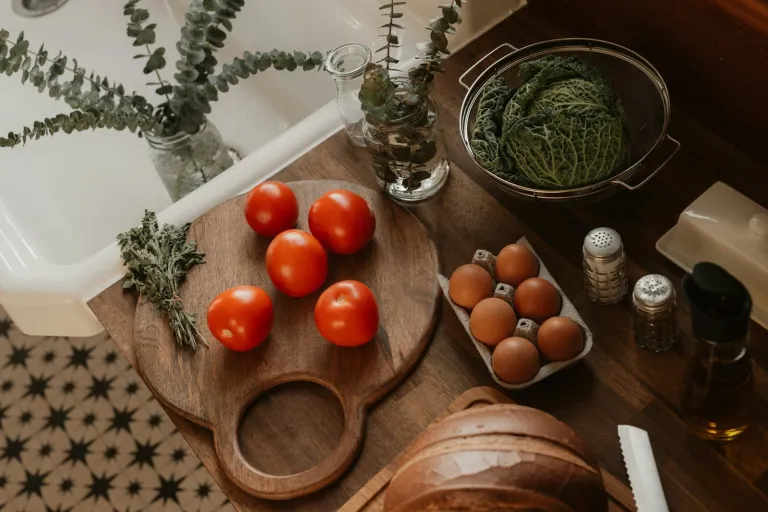
- Tomatoes: in the cold they lose their aroma and their texture turns mealy. Leave them out until they ripen and use them soon; if they're very ripe and you're not going to use them, put them in the fridge for a few days and take them out a while before eating.
- Unripe bananas, avocados and stone fruit: they ripen outside. Once ripe, the fridge slows the process down for a few days (banana skins darken, but the inside holds up).
- Whole melons, watermelons and pumpkins: outside. Once cut, into the fridge and well covered.
- Bread: it goes stale faster in the fridge. Keep it in a cloth bag and, if you won't get through it in a couple of days, freeze it in slices.
- Oil, honey, coffee, spices and flours: in the cupboard, in sealed containers.
- Basil: like a bunch of flowers, in a glass of water at room temperature; in the fridge it turns black.
Containers: out of sight, out of mind
- Clear, airtight containers. Seeing what's inside without opening it is half the battle. If they're all the same shape, they stack without wasting space.
- Opened tins: transfer whatever's left to a sealed container.
- Fresh herbs such as parsley or coriander: like a bunch of flowers, in a glass of water inside the fridge, or wrapped in damp kitchen paper inside a container.
- Leafy greens: wash and dry them very thoroughly before storing them in a container with a sheet of kitchen paper, which absorbs the moisture.
- Berries: don't wash them until you're about to eat them.
First in, first out
It's the rule professional kitchens use, and it works just as well at home:
- When you put the shopping away, the new goes at the back and what you already had moves to the front.
- Set aside a shelf or a box for "eat me first": anything opened, anything that goes off in a few days, and leftovers. Before you cook, look there.
- Label leftovers with the date. As a general rule, cooked leftovers should be eaten within 3 to 4 days. The guide cook once, eat twice explains how to store and reheat them safely.
And learn to read the two dates on labels:
- Use-by date ("use by"): found on highly perishable foods, such as minced meat or packaged fresh fish. After that date, they shouldn't be eaten.
- Best-before date ("best before"): tells you how long the product keeps its best quality. After that date it may have lost some flavour or texture, but if the packaging is intact and it has been stored as the label says, it can usually still be eaten.
Also bear in mind instructions such as "once opened, use within 3 days": they count from when you open the pack, whatever date is printed on it.
A weekly check
The best time to look through the fridge is just before you go shopping. In five minutes you can see what needs using up, what's missing and what you don't need to buy again. If you note it down in Cocinoa's My pantry, it will suggest recipes that make use of what you have.
Take the chance to clean, too: wipe up spills as they happen and, once a month, give it a quick going-over with warm water and a little bicarbonate of soda or mild detergent, not forgetting the door seals. Dry it well before putting everything back.
Common mistakes and how to fix them
- Raw meat on the top shelf. If it drips, it contaminates whatever's below. Bottom shelf, in a container.
- A fridge packed to the brim. The air can't circulate and warm spots form. Clear it out before you shop.
- A big pot of hot stew straight into the fridge. It takes hours to cool and warms everything around it. Divide it into shallow containers.
- Opened tins inside the fridge. Transfer the contents to a container.
- Everything in the door. Keep the door for things that can cope with changes in temperature.
Using up what's being left behind
- Slightly tired vegetables are perfect for a courgette soup.
- Very ripe fruit, for a fruit salad.
- And whatever you won't get through in time goes into the freezer: freezing and defrosting properly shows you how.
For information only. It does not replace advice from a health professional.