Cooking techniques
Sofrito: how to get the foundation of Spanish cooking right
Timing, heat and the order of the ingredients for a sofrito that really brings flavour: softened or caramelised onion, well-reduced tomato and how to store it.
By Equipo Cocinoa · 2026-10-23
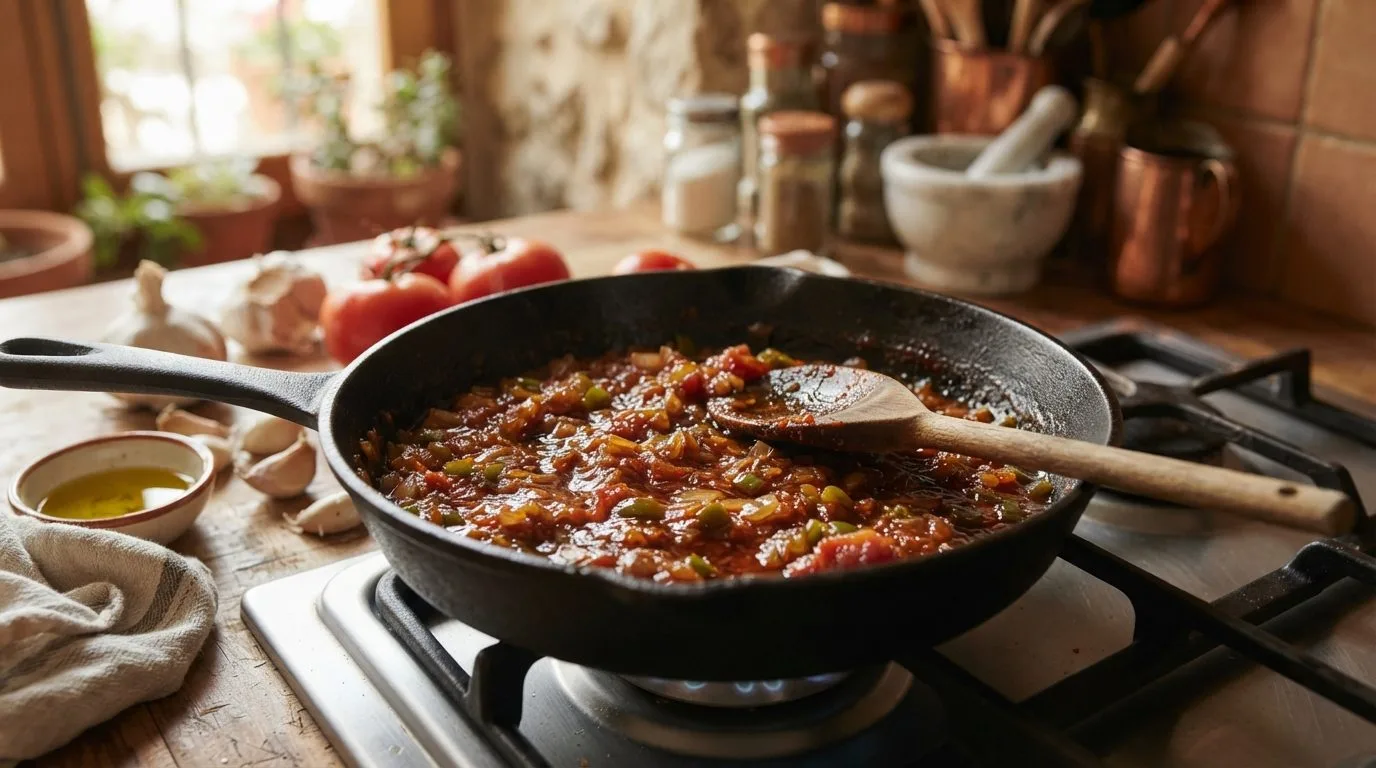
Behind many Spanish stews, rice dishes and sauces there is a sofrito. It is a simple technique, but you can taste the difference on the plate between one made in a hurry and one made with patience. Here is what really matters: the heat, the time and the order.
What a sofrito is
A sofrito is a mixture of vegetables cooked slowly in oil until they lose their water, soften and concentrate their flavour. The most common version contains onion, garlic, pepper and tomato, but it changes from dish to dish:
- In many meat and pulse stews: onion, garlic, green pepper and tomato.
- In paella-style rice dishes: often just grated tomato and garlic over meat or shellfish that has already been browned.
- In Catalan cooking, the sofregit: lots of onion cooked for a long time until it is dark and almost confit-like, followed by tomato.
- In fish and seafood stews: onion, pepper and sometimes the flesh of the ñora (a small, round dried pepper) or the choricero pepper.
A starting ratio that works for four servings: 2 medium onions, 1 green pepper, 2 garlic cloves and 3 or 4 ripe tomatoes (or about 400 g of crushed tomatoes), with 4 or 5 tablespoons of olive oil.
The pan and the oil
- Wide and heavy-based. A wide casserole or frying pan spreads the heat and lets the water evaporate. In a narrow pot the vegetables stew in their own juices instead of frying gently.
- Enough oil. A sofrito with too little oil sticks and burns in patches. The oil is what carries the heat and the aromas; if it looks like a lot, you can spoon off any excess at the end.
- Even chopping. Pieces of the same size cook at the same rate. The finer the chop, the sooner it is done and the better it blends into the sauce.
The onion: softened or caramelised
Onion is the foundation of the sofrito and can be taken to two different stages:
- Softened: over a medium-low heat for 15–20 minutes, until soft and translucent with no colour, or with only a very light golden tinge. This is the stage for most stews and sauces. A pinch of salt at the start helps it release its water.
- Caramelised: over a low heat for 40–60 minutes, stirring now and then, until it turns brown, sweet and almost jam-like. This is the stage for Catalan sofregit and for many sauces served with meat. If it catches on the bottom, add a tablespoon of water and scrape: that golden layer is flavour.
What you shouldn't do is take the high-heat shortcut: the onion toasts on the outside, stays raw inside and adds bitterness instead of sweetness.
The order of the ingredients
- Onion first, because it takes the longest.
- Pepper once the onion starts to soften, about 5–10 minutes later. It needs another 10–15 minutes.
- Garlic towards the end of that stage. It is the first thing to burn, and burnt garlic makes the whole stew bitter. If you want it to come through more strongly, you can brown it for a minute at the start, lift it out and add it back later.
- Tomato once everything else is tender.
- Spices such as pimentón (Spanish paprika), just before the liquid.
The tomato: until the oil separates
Tomato holds the most water and needs the most time to concentrate. You can use grated ripe tomato (cut it in half and grate it on the cut side: the skin stays in your hand) or tinned crushed tomatoes, which are an excellent option out of season.
Cook it over a medium-low heat for 15 to 30 minutes, depending on the quantity, stirring from time to time. You will know it is ready when:
- it has lost almost all its water and looks like a paste,
- the colour goes from bright red to a deeper red,
- and the oil starts to separate and glisten around the edges.
If the tomato is very acidic, a pinch of sugar balances it, but often a few more minutes of cooking is all it needs.
Pimentón, with care
Pimentón burns in seconds and turns bitter. Add it over a low heat or with the pan pulled off the heat, stir for ten or fifteen seconds and pour in the stew's liquid straight away: stock, water or wine.
Common mistakes and how to fix them
- The garlic has burnt. There is no fixing it: spoon it out if you can or start again. A whole bitter stew costs more than a little oil and a garlic clove.
- The sofrito is watery. It needs more time. Turn the heat up a little, leave the pan uncovered and stir until the water has evaporated.
- It is sticking to the bottom. The heat is too high or there is too little oil. Lower the heat, add a tablespoon of water and scrape with a wooden spoon.
- It tastes of raw tomato. The liquid went in too soon. Next time, wait until the tomato darkens and releases its oil.
- The onion is still firm in the finished stew. It was softened in a hurry. A properly softened onion never hardens again afterwards.
Making extra and storing it
Making sofrito takes time, so it pays to make double or triple the amount:
- In the fridge: in a clean, tightly closed jar, 3–4 days. Covering the surface with a thin layer of oil helps stop it drying out, but it doesn't turn it into a preserve: sofrito always goes in the fridge and is never left at room temperature.
- In the freezer: divide it between the hollows of an ice-cube tray or small containers and, once frozen, transfer the cubes to a bag labelled with the date. It keeps well for about 3 months. A couple of cubes will add flavour to lentils, a rice dish or some eggs in no time.
Recipes to practise with
- Huevos a la flamenca (flamenco-style baked eggs), where the sofrito is almost the whole dish.
- Meatballs in sauce, with a sauce of well-softened onion.
- Marmitako, a fishermen's stew with an onion and pepper sofrito.
- Veal fricandó, to practise a slow sofregit.
For information only. It does not replace advice from a health professional.
More posts
Cooking techniques
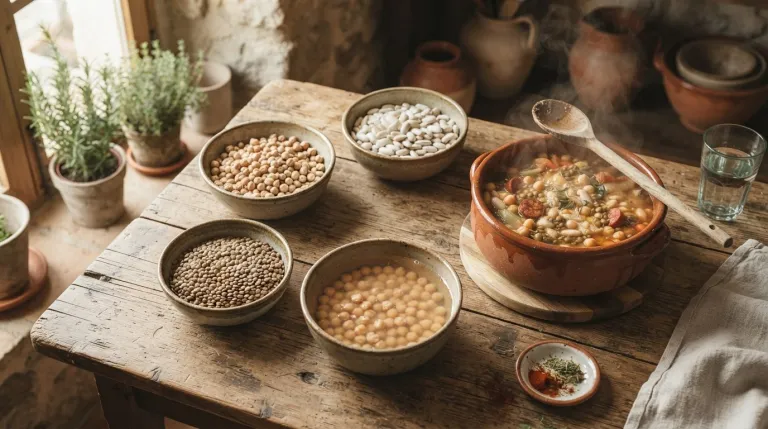
Pulses from start to finish: soaking, cooking and storing
How long to soak each pulse, how long to cook it in an ordinary pot or a pressure cooker, when to add the salt and how to store it so it lasts all week.
Equipo Cocinoa · 2026-10-23
Cooking techniques
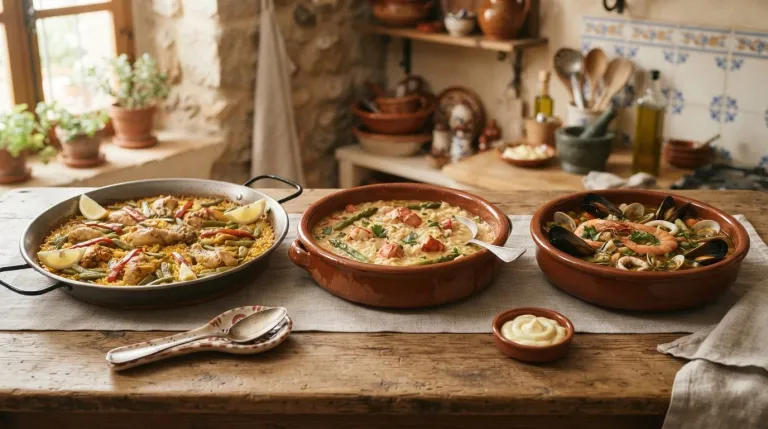
Dry, creamy or soupy rice: ratios, timings and common mistakes
Which variety to choose, how much stock each style of rice needs, paella pan or casserole, how to get the socarrat and how to store leftover rice safely.
Equipo Cocinoa · 2026-10-23
Cooking techniques
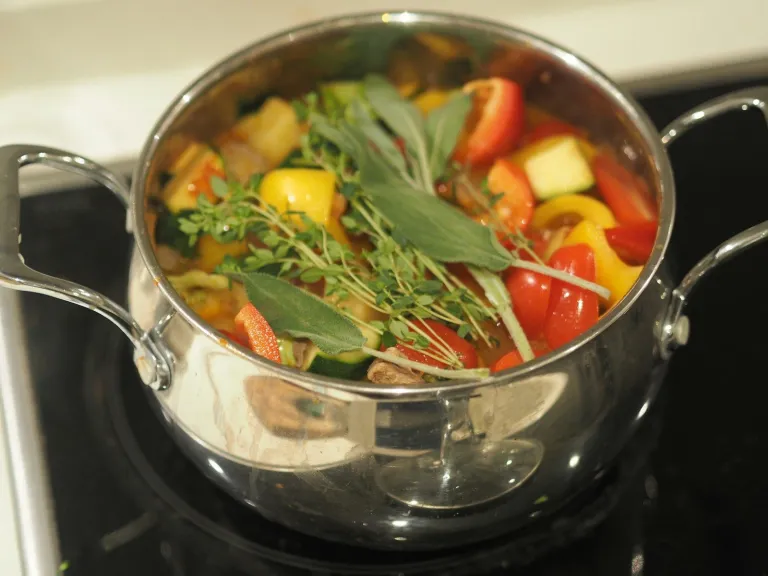
Homemade stocks and broths: chicken, vegetable and fish
Which bones and vegetables to use, how long to simmer each stock, how to skim off the fat and how to freeze it in portions so you always have some to hand.
Equipo Cocinoa · 2026-10-23